US Military Strikes on ISIS in Syria (Dec 2025): Impacts on Oil Prices and Defense Sector Investments
解锁更多功能
登录后即可使用AI智能分析、深度投研报告等高级功能
关于我们:Ginlix AI 是由真实数据驱动的 AI 投资助手,将先进的人工智能与专业金融数据库相结合,提供可验证的、基于事实的答案。请使用下方的聊天框提出任何金融问题。
相关个股
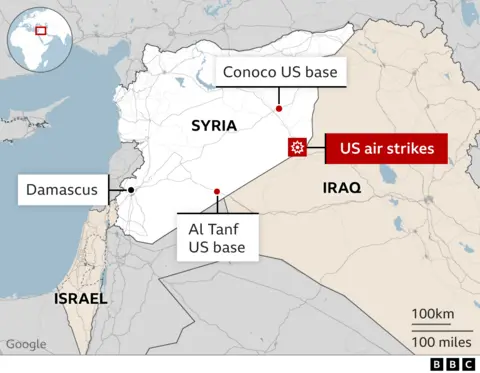
On December 19, 2025, the U.S. launched Operation Hawkeye Strike against over 70 ISIS targets in Syria in response to a December 13 attack that killed three Americans[1][2][3]. The operation utilized F-15E/F-16 warplanes, Apache attack helicopters, and HIMARS rockets, targeting ISIS fighters, infrastructure, and weapons in remote central Syria[1][2][3].
Syria’s limited status as an oil producer and the strikes’ focus on remote areas reduced risks to regional oil supplies and transportation routes[2]. Crude oil prices on December 19 showed a modest 0.89% increase to $56.65[4], which analysts did not directly attribute to the strikes, indicating minimal market concern about supply disruptions[2][4].
Three leading defense companies experienced measurable stock price increases on the day of the strike announcement, accompanied by higher trading volume, reflecting heightened investor interest:
- Lockheed Martin (LMT): +1.67% to $474.13[0]
- Raytheon Technologies (RTX): +1.70% to $182.01[0]
- Northrop Grumman (NOC): +1.79% to $568.46[0]
- Oil Market Resilience: The minimal price movement demonstrates that Syria’s geographic proximity to major oil-producing regions does not automatically trigger supply risk, especially when strikes avoid critical energy infrastructure and target non-state actors[2][4].
- Defense Sector Short-Term Sentiment: Coordinated gains across leading defense firms indicate that even limited military operations can generate short-term bullish sentiment, but this is distinct from long-term performance driven by defense budgets and geopolitical trends[0].
- Escalation Risk Mitigation: Defense Secretary Pete Hegseth framed the strikes as a “declaration of vengeance” rather than the start of a new war[2], reducing market fears of prolonged conflict that could more significantly impact oil or defense sectors.
- Geopolitical Escalation: While current risks are low, unintended confrontations with other actors in Syria could disrupt nearby oil infrastructure or transportation routes[2].
- Defense Sector Overvaluation: Short-term stock gains may lead to overvaluation if investors overlook long-term drivers like defense budgets and technological advancements[2].
- Defense Sector Short-Term Returns: Investors may capitalize on immediate bullish sentiment following such operations, though this requires careful timing[0].
- Oil Market Stability: The limited strike impact reinforces that targeted military actions in non-major oil-producing regions may not disrupt global oil markets, providing stability for energy-related investments[4].
The December 19, 2025, U.S. strikes on ISIS in Syria had minimal impact on oil prices (a modest increase not directly linked to the strikes) and a measurable short-term positive effect on defense stocks (LMT, RTX, NOC up 1.67-1.79% with higher volume)[0][4]. The strikes’ targeted nature and retaliatory framing reduce prolonged escalation risks, but long-term sector performance depends on broader factors: defense budgets and geopolitical trends for defense; global supply-demand dynamics for oil[2].
数据基于历史,不代表未来趋势;仅供投资者参考,不构成投资建议
关于我们:Ginlix AI 是由真实数据驱动的 AI 投资助手,将先进的人工智能与专业金融数据库相结合,提供可验证的、基于事实的答案。请使用下方的聊天框提出任何金融问题。