Tesla Shareholders Approve Musk's $1 Trillion Pay Package: Market Impact and Risk Analysis
解锁更多功能
登录后即可使用AI智能分析、深度投研报告等高级功能
关于我们:Ginlix AI 是由真实数据驱动的 AI 投资助手,将先进的人工智能与专业金融数据库相结合,提供可验证的、基于事实的答案。请使用下方的聊天框提出任何金融问题。
相关个股
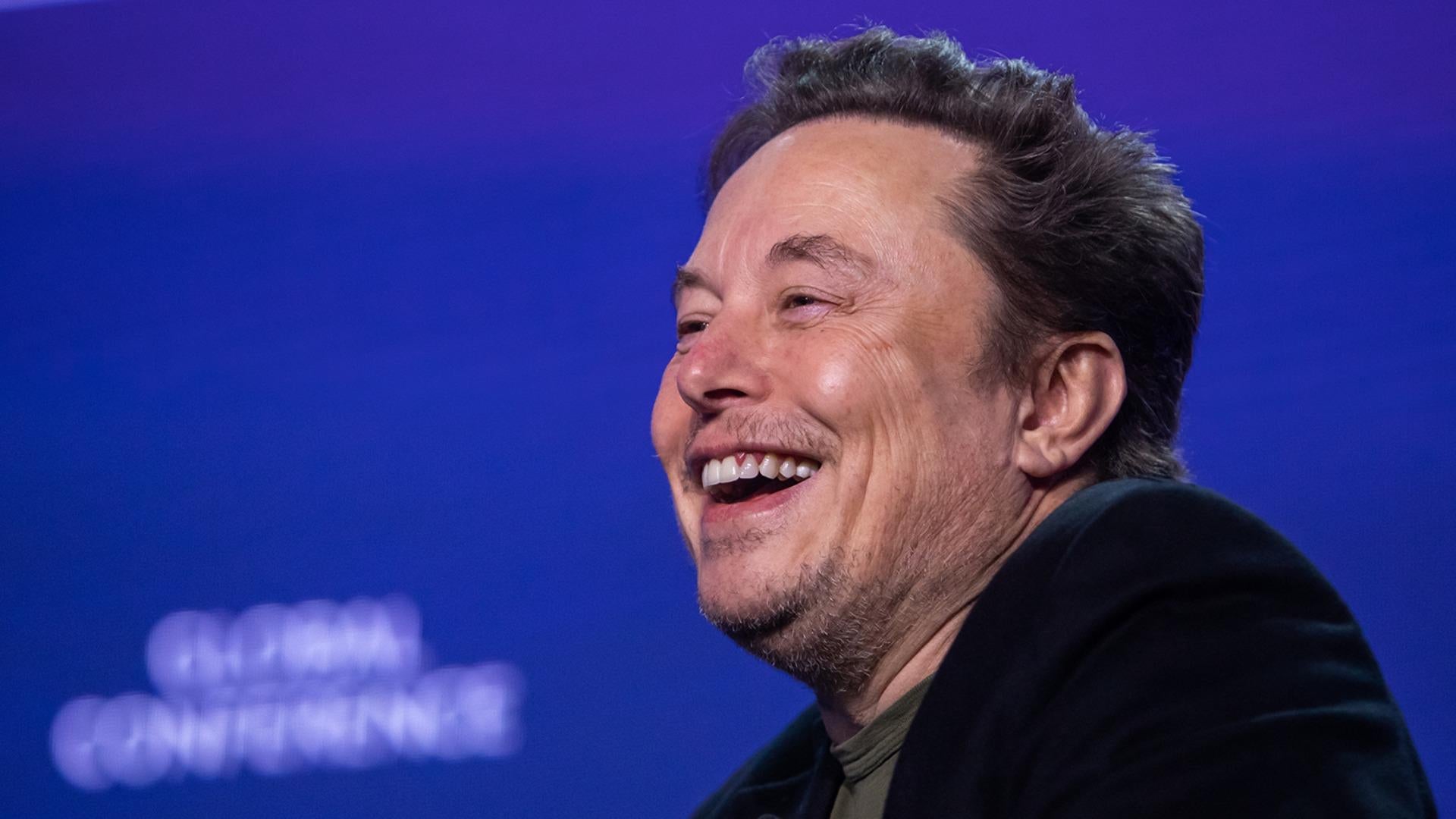
On November 6, 2025, at 5:39 PM EST, Tesla shareholders approved a landmark compensation package for CEO Elon Musk valued at up to $1 trillion, with over 75% voting in favor [1][2][3]. The vote occurred during Tesla’s annual shareholder meeting in Austin, Texas, where shareholders reportedly broke into applause and began chanting Musk’s name when results were announced [2].
The shareholder approval generated mixed market reactions. Tesla stock initially rose following the vote announcement on Thursday night [3], but subsequently declined 3.64% to $429.66 in Friday trading, significantly underperforming broader market indices. The S&P 500 declined 0.40% and NASDAQ fell 0.71% on the same day [0], indicating Tesla’s decline was more pronounced than general market weakness. The technology sector fell 1.31% on November 7 [0], while Tesla’s Consumer Cyclical sector declined 0.51% [0], suggesting company-specific factors beyond sector headwinds.
The approved package represents an unprecedented scale in executive compensation, potentially worth 10x all Fortune 500 CEO compensation combined [2]. Key components include:
- Scale: Up to $1 trillion in compensation and 423.7 million additional Tesla shares over 10 years [3]
- Ownership Impact: Musk’s stake could increase from ~13% to ~25% of Tesla [2], significantly boosting his voting power
- Performance Milestones: Extremely ambitious targets including $8.5 trillion market cap (6x current), 20 million vehicle deliveries, 1 million commercial robotaxis, and 10 million FSD subscriptions [2]
- Risk Mitigation: “Broad covered events” clauses could allow payouts even if targets are missed [Event Summary], with experts noting Musk could earn billions meeting only a few targets [2]
Tesla’s current financial metrics [0] reveal significant valuation challenges:
- Market Cap: $1.39 trillion (already substantial)
- P/E Ratio: 262.65x (extremely high valuation)
- Revenue Breakdown: Automotive 78.9%, Services 10.8%, Energy 10.3%
- Geographic Distribution: US 48.9%, Other countries 29.7%, China 21.4%
The analyst consensus remains cautious with an overall HOLD rating and $422.50 price target (1.8% below current price) [0]. The distribution shows 38.8% Buy, 40.0% Hold, 21.2% Sell recommendations, reflecting uncertainty about the compensation package’s impact on shareholder value.
The vote reveals significant governance tensions and strategic shifts:
- Board Independence Concerns: A Delaware judge previously called the approval process “deeply flawed” [2], raising questions about board oversight quality
- Institutional Opposition: Major proxy advisors ISS and Glass Lewis opposed the plan, along with significant institutional investors like Norges Bank [2]
- Strategic Pivot: The vote coincides with Tesla’s transition from traditional EV to autonomous/AI focus [3], with new products including Optimus robot production, Cybercab timeline, and Roadster reveal announced
- Competitive Positioning: The aggressive robotaxi targets reflect intense competition with Waymo and other autonomous driving players [2]
The package raises concerns about executive concentration and distraction risks. Musk’s multiple ventures (SpaceX, X, xAI, government role) [2] combined with potential 25% voting power concentration create governance challenges. His political activities have previously cost Tesla over 1 million car sales [2], demonstrating the significant impact of his external activities on company performance.
-
Governance Risks:
- Concentration of voting power with potential 25% control raises oversight questions
- Ongoing legal challenges following previous Delaware court rejections suggest litigation risk
- Board independence concerns given previous judicial criticism of approval processes
-
Financial Risks:
- Dilution risk from 423.7 million new shares could significantly impact existing shareholders
- Valuation pressure as $8.5 trillion target represents 6x current market cap
- Execution risk given the extremely aggressive nature of performance milestones
-
Operational and Market Risks:
- Brand vulnerability to Musk’s external activities and political positions
- Technical and regulatory hurdles for FSD and robotaxi deployment
- Intensifying competition in autonomous driving from established players
- Strategic Alignment: The package could align Musk’s interests with long-term shareholder value if milestones are achieved
- Innovation Acceleration: The ambitious targets may drive faster development of autonomous technology
- Market Leadership: Successful execution could solidify Tesla’s position in the autonomous vehicle market
The shareholder approval of Musk’s $1 trillion compensation package represents a significant corporate governance event with far-reaching implications. The package’s unprecedented scale, combined with extremely ambitious performance targets and flexible payout conditions, creates both potential for extraordinary returns and significant risk exposure. The mixed market reaction, underperformance relative to peers, and opposition from major institutional investors suggest uncertainty about the package’s net impact on shareholder value.
Key monitoring factors include milestone progress tracking, share price dynamics around key announcements, institutional sentiment evolution, regulatory developments particularly in key markets like China, and competitive landscape developments in autonomous driving technology.
The approval reflects Tesla’s strategic pivot toward AI and autonomous technology, but the execution risk and governance concerns warrant careful ongoing attention from market participants.
数据基于历史,不代表未来趋势;仅供投资者参考,不构成投资建议
关于我们:Ginlix AI 是由真实数据驱动的 AI 投资助手,将先进的人工智能与专业金融数据库相结合,提供可验证的、基于事实的答案。请使用下方的聊天框提出任何金融问题。