Analysis of ACA Subsidy Expiration, GOP Healthcare Proposals, and Trump’s Tariff Dividend Plan
解锁更多功能
登录后即可使用AI智能分析、深度投研报告等高级功能
关于我们:Ginlix AI 是由真实数据驱动的 AI 投资助手,将先进的人工智能与专业金融数据库相结合,提供可验证的、基于事实的答案。请使用下方的聊天框提出任何金融问题。
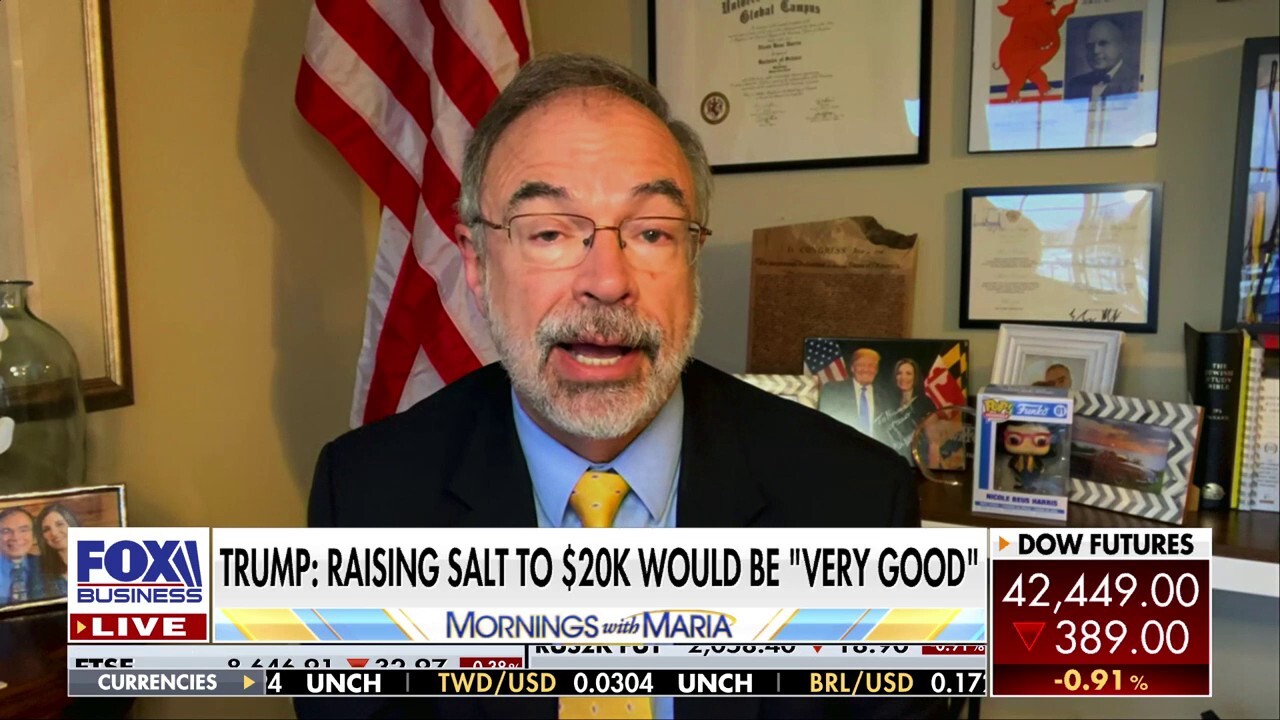
This analysis covers the expiration of enhanced Affordable Care Act (ACA) subsidies, Republican healthcare policy debates, and President Trump’s proposed economic measures, drawing on multiple sources [0][1][2][3][4]. Enhanced ACA premium subsidies—originally expanded during the COVID-19 pandemic and extended through 2025—are set to expire at year-end, affecting 22 million marketplace enrollees (92% of total) with an average 114% increase in premiums after subsidies [1]. Rep. Andy Harris (R-Md.), Chair of the conservative House Freedom Caucus, appeared on Fox Business’ “Mornings with Maria” to criticize moderate GOP efforts to extend these subsidies, predicting such a measure would “die in the Senate” and advocating for market-based alternatives [2].
Concurrent with healthcare discussions, President Trump has promoted “tariff dividend checks” for 2026, claiming U.S. tariff revenues will fund direct refunds to taxpayers. Sen. Josh Hawley (R-Mo.) introduced the American Worker Rebate Act of 2025, which proposes at least $600 per individual and up to $2,400 for a family of four, though the bill has not passed Congress [3]. The Republican Study Committee, a major conservative caucus, is exploring two key policy tracks: using tariff revenues to offset rising healthcare costs and send taxpayer refunds, and expanding health savings accounts (HSAs) as a market-based healthcare solution [4].
- GOP Intraparty Divide: Moderate House Republicans joined Democrats to force a vote on extending ACA subsidies, angering conservative members like Rep. Harris who demand replacement with market-based options. This division threatens GOP legislative cohesion and 2026 election messaging [2][4].
- Healthcare Access Risks: The subsidy expiration will disproportionately impact middle-income households, small business owners, and the self-employed, potentially increasing the number of uninsured Americans and straining healthcare systems [1].
- Tariff Dividend Uncertainty: While President Trump has framed dividend checks as relief for rising costs, the lack of passed legislation and expert skepticism about implementation timelines make these payments speculative [3].
- Market-Based Healthcare Challenges: Expanding HSAs is a longstanding GOP priority, but partisan gridlock and opposition from Democrats and moderate Republicans make its passage uncertain [4].
- Risks: Higher healthcare premiums could leave millions underinsured or uninsured; GOP internal tensions may weaken its policy messaging for the 2026 midterms; tariff dividends remain unlegislated and uncertain [1][2][3].
- Opportunities: Market-based options like expanded HSAs could grant individuals greater control over healthcare spending; passed tariff dividends would provide short-term consumer relief amid rising costs [3][4].
Enhanced ACA subsidies, which capped household premium costs at 8.5% of income, expire at the end of 2025 [1]. Rep. Andy Harris leads conservative opposition to extending these subsidies, pushing for GOP alternatives [2]. President Trump’s tariff dividend plan is backed by Sen. Hawley’s unpassed American Worker Rebate Act, while the Republican Study Committee explores HSA expansion and tariff revenue allocation [3][4]. Key information gaps include exact details of Rep. Harris’ interview comments, specific HSA proposal parameters, and the current legislative status of tariff dividend plans.
数据基于历史,不代表未来趋势;仅供投资者参考,不构成投资建议
关于我们:Ginlix AI 是由真实数据驱动的 AI 投资助手,将先进的人工智能与专业金融数据库相结合,提供可验证的、基于事实的答案。请使用下方的聊天框提出任何金融问题。