2026 Market Outlook: AI Remains a Key Driver for Tech and Communication Services
解锁更多功能
登录后即可使用AI智能分析、深度投研报告等高级功能
关于我们:Ginlix AI 是由真实数据驱动的 AI 投资助手,将先进的人工智能与专业金融数据库相结合,提供可验证的、基于事实的答案。请使用下方的聊天框提出任何金融问题。
相关个股
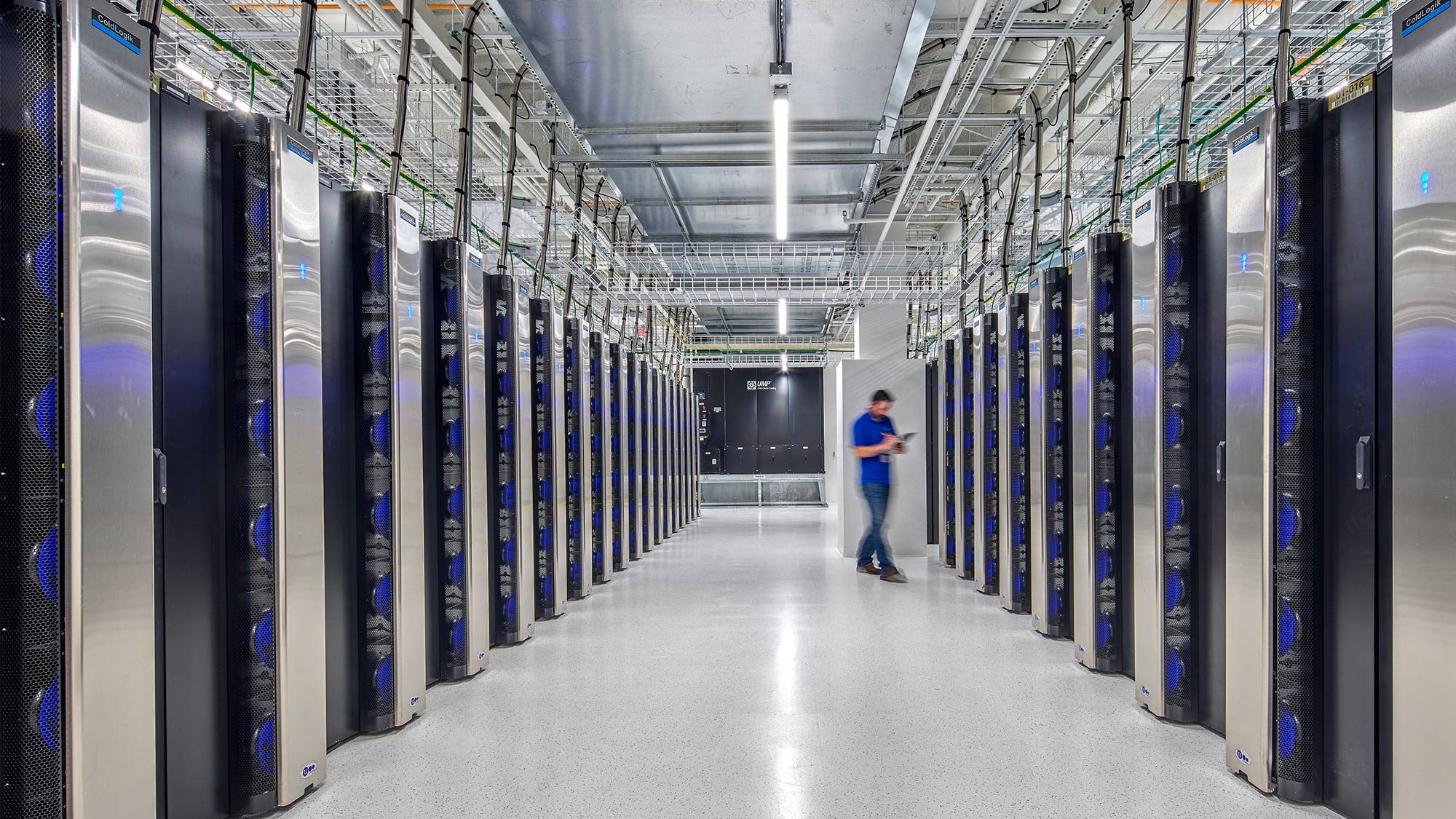
This analysis draws from the December 23, 2025 Seeking Alpha report [8], which forecasts AI’s sustained dominance in the Technology and Communication Services sectors. In 2025, these sectors delivered strong year-to-date (YTD) returns: Technology (~21.24% YTD) [4] and Communication Services (~24.65% YTD) [1], driven by surging AI infrastructure demand and tech giants’ investments. The 2026 outlook signals a continuation and acceleration of this trend, with unprecedented investment scales—including OpenAI/SoftBank/Oracle’s $500B Stargate project [5], Alibaba’s 380B yuan three-year plan [6], and Google’s $91-$93B 2025 capital expenditures [6]. The AI value chain is expanding to include energy infrastructure (e.g., partnerships between Google/Meta and NextEra Energy, Brookfield Renewable) due to data centers’ massive power needs [7].
Competitive dynamics are shifting, with tech giants (Google, Meta, Amazon, Alibaba) solidifying cloud AI market positions through investments. AI infrastructure component manufacturers (Micron up 166% YTD, Seagate up 233% YTD [3]) and energy providers are emerging as new leaders. The value chain restructures with upstream semiconductor (NVIDIA, TSMC [3]), energy, and storage players, and downstream cloud (AWS, Azure [6]) and enterprise software (Palantir, UiPath [10]) providers benefiting.
- The integration of energy infrastructure into the AI value chain is a critical shift, as data centers could consume 3-5% of global electricity by 2030 [12], creating new partnership opportunities for energy firms.
- Market concentration is increasing among tech giants that can afford large-scale AI infrastructure investments, while smaller firms face competitive disadvantages if they fail to adopt AI [9].
- Regulatory scrutiny of AI and its infrastructure is expected to rise, particularly around energy consumption and data governance, which could impact investment timelines and operational costs.
- Risks: High energy demands of AI data centers [12], regulatory uncertainties [9], semiconductor supply chain constraints [3], and AI talent shortages [9].
- Opportunities: Energy companies can partner with tech giants to provide sustainable power solutions [7]; AI component manufacturers (semiconductors, storage) will continue to see surging demand [3]; cloud service providers can expand AI-powered offerings [6]; and enterprise software firms can integrate AI to stay competitive [10].
The 2026 market outlook anticipates AI to remain a transformative force for the Technology and Communication Services sectors, driven by massive infrastructure investments. The AI value chain is expanding to include energy infrastructure, with tech giants, component manufacturers, and energy providers emerging as key players. While the outlook is positive for sector growth, stakeholders must monitor risks related to energy, regulation, supply chains, and talent.
数据基于历史,不代表未来趋势;仅供投资者参考,不构成投资建议
关于我们:Ginlix AI 是由真实数据驱动的 AI 投资助手,将先进的人工智能与专业金融数据库相结合,提供可验证的、基于事实的答案。请使用下方的聊天框提出任何金融问题。