政治通胀言论对市场与美联储政策的影响分析
解锁更多功能
登录后即可使用AI智能分析、深度投研报告等高级功能
关于我们:Ginlix AI 是由真实数据驱动的 AI 投资助手,将先进的人工智能与专业金融数据库相结合,提供可验证的、基于事实的答案。请使用下方的聊天框提出任何金融问题。
Based on comprehensive market data, economic indicators, and current developments, I provide this analysis of how political claims about “inflation victories” may influence market sentiment and Federal Reserve policy decisions.
President Trump has declared inflation “virtually gone” and claimed the economy has achieved a “victory” on inflation approximately 20 times according to tracking by major news outlets [1]. However, the data presents a notably different picture:
| Metric | Value (December 2025) | vs. Fed Target |
|---|---|---|
| CPI (Headline) | 2.7% |
+0.7 percentage points above |
| Core CPI | 2.6% |
+0.6 percentage points above |
| Fed’s Official Target | 2.0% |
— |
Economists have been direct in their assessments. Thomas Ryan of Capital Economics characterized Trump’s claims as “factually incorrect” and “classic overstatement” [1]. Mark Zandi of Moody’s Analytics noted that “inflation remains uncomfortably high,” particularly affecting lower and middle-income Americans [1]. Joseph Gagnon of the Peterson Institute acknowledged that while inflation is “pretty close” to the 2% target, tariffs are keeping it elevated [1]. The Yale Budget Lab estimates that tariff-related policies will add $1,300-$1,700 in costs per consumer in 2026 [1].
The divergence between political rhetoric and economic reality creates measurable market effects:
- VIX (30-day range): $13.38 – $23.10, indicating heightened uncertainty [0]
- Current VIX: Approximately $17.76, suggesting moderate anxiety among investors
- Daily volatility of 7.41% reflects sensitivity to policy rhetoric [0]
| Index | 30-Day Return | Interpretation |
|---|---|---|
| Russell 2000 | +5.16% |
Small-cap rally on rate cut expectations |
| Dow Jones | +3.49% |
Industrial strength |
| S&P 500 | +0.40% |
Mixed signals, slight gains |
| NASDAQ | -2.23% |
Under pressure from tariff concerns [0] |
The market reveals defensive positioning, with Real Estate (+3.07%) and Utilities (+1.83%) leading gains, while Communication Services (-0.23%) and Energy (-0.26%) lag [0]. This rotation suggests investors are hedging against potential economic policy uncertainty.
The political environment presents unprecedented challenges for monetary policy independence:
- Federal Funds Rate: 3.50% – 3.75% (maintained January 2026) [0]
- Policy remains “higher for longer” despite political pressure
| Timeframe | Rate Cut Probability | Hold Probability | Rate Hike Probability |
|---|---|---|---|
| March 2026 | 9.9% | 87.9% | 2.1% |
| June 2026 | 48.5% | 50.3% | 1.2% |
| December 2026 | 88.4% | 11.4% | 0.2% |
Analysts expect a minimum of two rate cuts in 2026, though political developments could alter this trajectory [0].
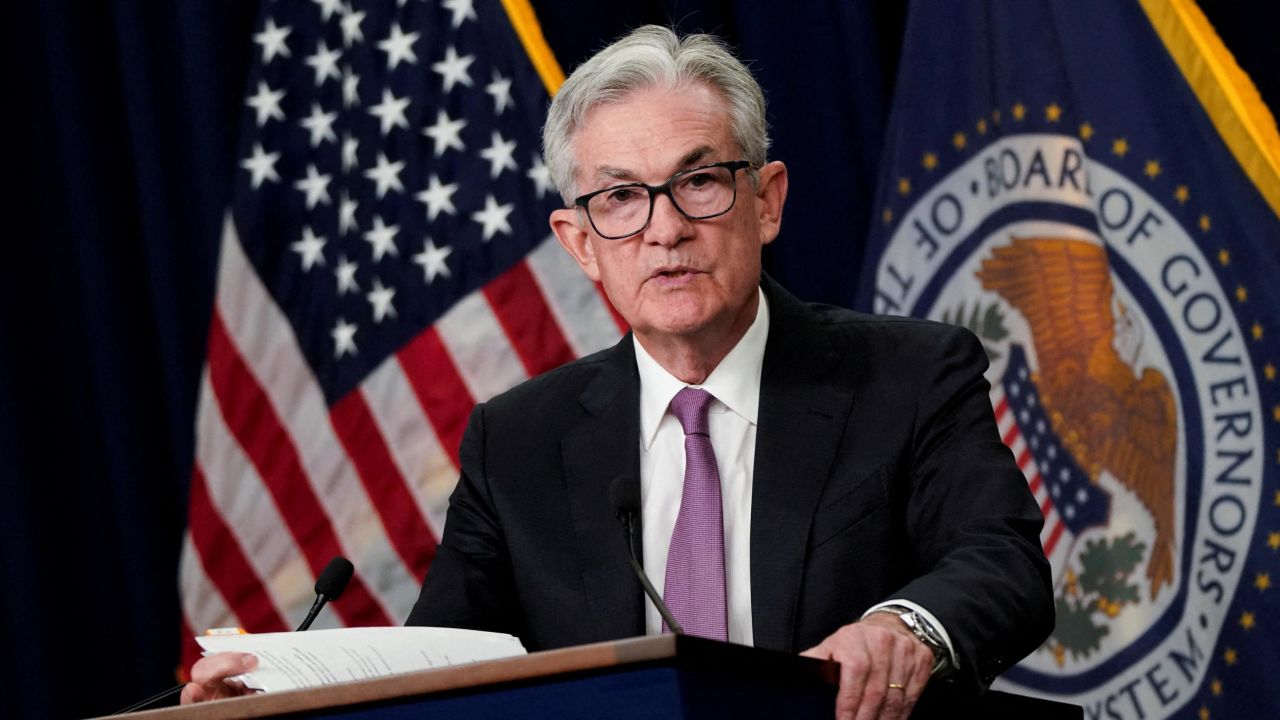
The nomination of Kevin Warsh to replace Jerome Powell (whose chair term ends in May 2026) signals potential policy alignment with political objectives [2][3]. More concerning, the Trump administration’s DOJ has initiated a criminal investigation of Powell over congressional testimony—a development that Professor Cristina Bodea of Michigan State University describes as “unique” in modern American history [2][3].
Historical context matters: While Nixon and Reagan applied pressure on the Fed, academic research indicates that repeated political interference erodes central bank credibility, potentially leading to structurally higher inflation expectations and weaker economic outcomes [3].
Political rhetoric affects markets and policy through several interconnected channels:
Inflation expectations are largely psychological. If markets and the public believe the Fed has succumbed to political pressure, they may expect higher future inflation—a self-fulfilling prophecy that forces the Fed to maintain higher rates [0].
A Fed perceived as politically compromised would face a “credibility discount,” requiring higher interest rates to maintain price stability. Long-term Treasury yields would rise as investors demand compensation for perceived inflation risk [3].
- Confusion Premium:Divergent political claims versus economic reality creates uncertainty that investors price into markets
- Sentiment Volatility:VIX spikes during periods of intense political statements reflect rhetoric-driven trading
- Sector Rotation:Defensive positioning becomes rational when policy trajectory is unclear
- Fed is likely to maintain current stance while emphasizing data-dependence
- Markets will scrutinize FOMC statements for independence signals
- Volatility will remain elevated around political announcements
- Rate cuts remain plausible as inflation gravitates toward 2%
- Key risk: Political interference could delay necessary adjustments
- Institutional credibility will be tested
Countries experiencing central bank politicization (Turkey, Venezuela, Argentina) suffered severe economic consequences [3]. The U.S. faces an unprecedented stress test of institutional resilience.
- FOMC meeting minutes and official statements
- Fed official speeches for independence signals
- Market-based inflation expectations (breakeven rates)
- 10-year Treasury yield movements
- CME FedWatch probability shifts
The gap between political inflation claims and economic reality creates a complex environment for market participants and policymakers. While inflation has moderated from its peak, it remains approximately 35% above the Fed’s 2% target—undermining claims of “victory.” Markets show mixed performance with defensive positioning, while the Fed navigates unprecedented political pressure.
The primary concern is long-term institutional credibility. If central bank independence erodes, the consequences for inflation expectations and economic stability could be substantial. Investors should monitor Fed communications carefully and maintain diversified positioning as this institutional stress test unfolds.
[0] Market data from financial data providers via 金灵AI (Gilin AI) platform
[1] CNBC - “Trump says inflation was ‘defeated.’ Some economists…” (January 21, 2026)
https://www.cnbc.com/2026/01/21/trump-inflation-defeated.html
[2] CNN - “Jerome Powell’s remarkable advice to his successor…” (January 29, 2026)
https://www.cnn.com/2026/01/29/economy/federal-reserve-independence-trump
[3] Michigan State University News - “Ask the expert: Political pressure on the Fed…” (February 2026)
https://msutoday.msu.edu/news/2026/02/political-pressure-on-federal-reserve
数据基于历史,不代表未来趋势;仅供投资者参考,不构成投资建议
关于我们:Ginlix AI 是由真实数据驱动的 AI 投资助手,将先进的人工智能与专业金融数据库相结合,提供可验证的、基于事实的答案。请使用下方的聊天框提出任何金融问题。