Israeli-Palestinian Peace Negotiations Under Trump: Market Impact Analysis
解锁更多功能
登录后即可使用AI智能分析、深度投研报告等高级功能
关于我们:Ginlix AI 是由真实数据驱动的 AI 投资助手,将先进的人工智能与专业金融数据库相结合,提供可验证的、基于事实的答案。请使用下方的聊天框提出任何金融问题。
Based on my research, I’ll provide a comprehensive analysis of this geopolitical development and its market implications.
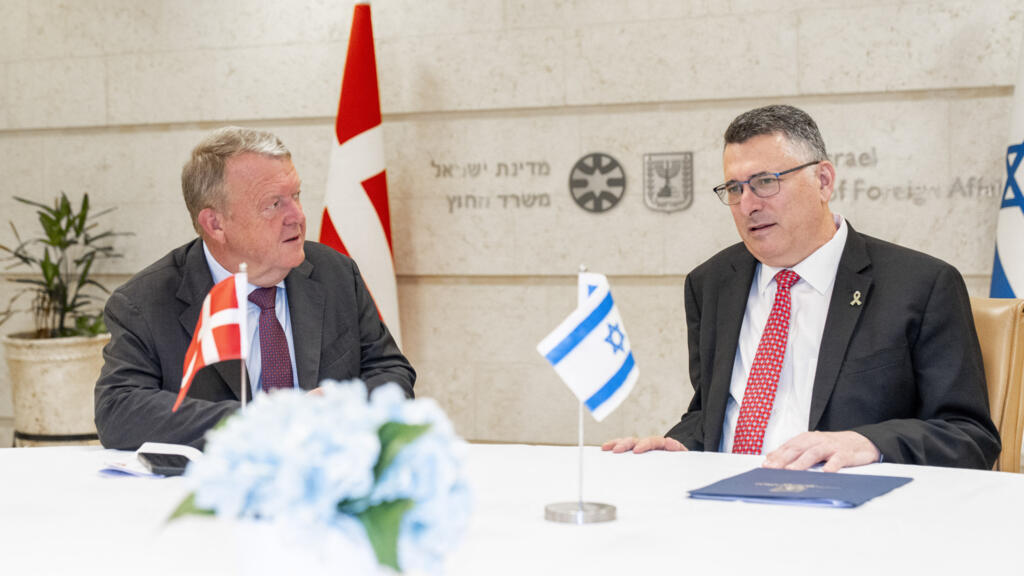
The diplomatic development you referenced—Israeli Foreign Minister Gideon Saar’s attendance at Trump’s first Board of Peace meeting on February 19, 2026—must be analyzed within the broader context of a significantly escalated Middle East situation. The peace board meeting is occurring amid
According to the details gathered, the February 19 meeting launched Trump’s “Board of Peace,” featuring [1]:
- Multi-billion dollar reconstruction fundfor Gaza infrastructure
- International Stabilization Force (ISF)—a UN-authorized peacekeeping force expected to deploy with “several thousand” troops
- Coordinated timelinefor Israeli troop withdrawal and Hamas disarmament
- International delegationfrom 20+ countries
The current market data reveals significant war-related premiums already embedded in energy prices:
| Indicator | Current Level | Recent Trend |
|---|---|---|
WTI Crude Oil |
$71.23 - $77.98/bbl | +4.67% on March 3 [0] |
VIX (Volatility Index) |
23.57 | Elevated but declining from ~21-25 range [0] |
Gold (Safe Haven) |
$5,335 - $5,394/oz | Near record highs [0] |
The WTI crude oil prices jumped significantly on March 3, rising over $1 (1%) as the U.S. and Israeli war against Iran disrupted Middle East supplies [2]. According to analyst projections, geopolitical risk has already contributed approximately a
The critical chokepoint for global energy markets is under significant threat. Current data indicates:
- 20 million barrels/dayof petroleum liquids pass through the Strait of Hormuz (≈20% of global consumption)
- 20% of LNG flowsare also shipped through this waterway [2]
- Iran has warned ships to avoid the Strait, and some operators have already paused or reduced transits
The escalation has already disrupted exports from the region, with Indonesia’s energy minister announcing plans to increase crude oil imports from the United States to replace Middle East supply [2].
While prices are elevated, a move to $120+ appears unlikely due to global market oversupply and significant OPEC+ spare capacity that can stabilize prices [3].
The recent market data shows [0]:
- S&P 500: Relatively stable around 6,800-6,900, with mixed daily movements
- NASDAQ: Showing volatility with gains on March 2-3 (+1.91% and +1.01%)
- VIX: Declining from peaks (~25) toward ~23, suggesting some normalization
- Gold: Pulling back slightly (-4% on March 3) after reaching elevated levels
This pattern indicates
If the Board of Peace leads to genuine cease-fire compliance and stabilization:
- Oil prices: Could decline $5-10/bbl as risk premium dissipates
- Risk assets: Likely to rally, particularly energy-sensitive sectors
- Gold: Would likely retreat 5-10%
If the peace framework stalls while active conflict continues:
- Oil prices: Remain elevated in $75-90 range
- Markets: Volatile with defensive posturing
- Safe havens: Gold remains supported
If Iran conflict expands or Strait of Hormuz is threatened:
- Oil prices: Could spike to $100+ temporarily
- Markets: Significant risk-off moves, flight to safety
- Fed policy: Potential inflation concerns affecting rate trajectory
- Energy Sector: Current elevated prices favor energy equities, though valuations are now reflecting war risk
- Defensive Positioning: Consider tail-risk hedges given unresolved geopolitical tensions
- Currency Dynamics: USD typically strengthens during Middle East tensions—watch USD strength against commodity currencies
- Regional Exposure: Reduce exposure to European/Asian markets more sensitive to energy price shocks
The Board of Peace meeting represents a potentially significant diplomatic development, but its market impact will be determined by whether it leads to genuine de-escalation or remains symbolic while active conflicts continue.
For investors, the key metric to watch is whether the International Stabilization Force achieves meaningful deployment and whether Iranian oil exports face continued disruption. Until clarity emerges on these fronts, energy markets will likely maintain significant risk premiums.
[1] AOL News - “Israeli FM Saar to attend Trump’s first Board of Peace meeting” (https://www.aol.com/articles/israeli-fm-saar-attend-trumps-165736364.html)
[2] Energy News OEDigital - “Oil prices rise by 1% after Iran crisis disrupts Middle East supplies” (https://energynews.oedigital.com/oil-gas/2026/03/04/oil-prices-rise-by-1-after-iran-crisis-disrupts-middle-east-supplies)
[3] Aurelion Research - “US-Iran: What’s at Stake for Oil Prices in the Conflict” (https://aurelionresearch.substack.com/p/free-us-iran-whats-at-stake-for-oil)
[0] Market data from financial API (WTI oil, VIX, Gold, S&P 500, NASDAQ, Dow Jones, Russell 2000)
数据基于历史,不代表未来趋势;仅供投资者参考,不构成投资建议
关于我们:Ginlix AI 是由真实数据驱动的 AI 投资助手,将先进的人工智能与专业金融数据库相结合,提供可验证的、基于事实的答案。请使用下方的聊天框提出任何金融问题。