Google TPU's Rise vs Nvidia's Dominance: Can Google Disrupt NVDA's AI Chip Leadership?
解锁更多功能
登录后即可使用AI智能分析、深度投研报告等高级功能
关于我们:Ginlix AI 是由真实数据驱动的 AI 投资助手,将先进的人工智能与专业金融数据库相结合,提供可验证的、基于事实的答案。请使用下方的聊天框提出任何金融问题。
相关个股
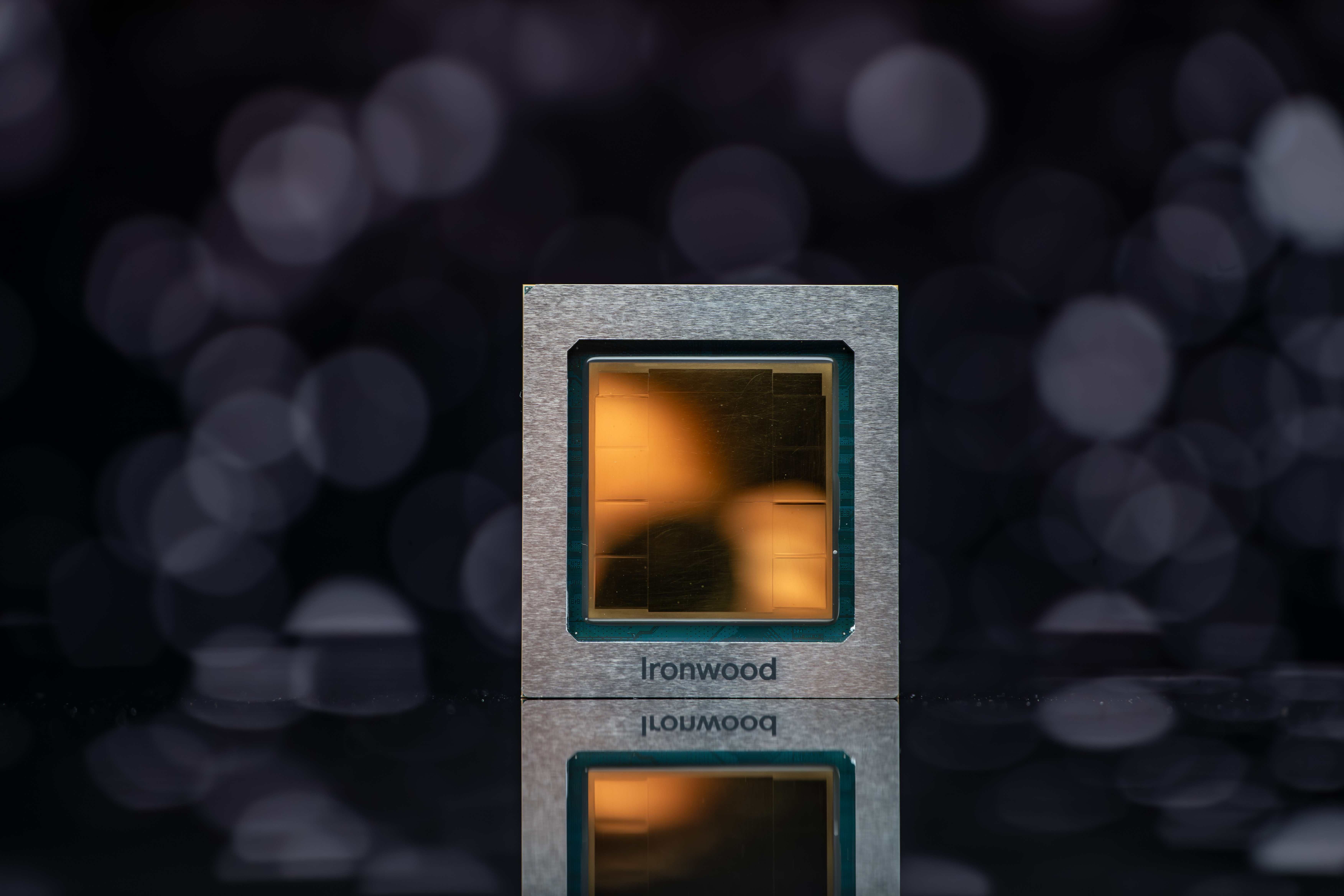
According to research, Google’s 7th-gen TPU Ironwood (3nm process) delivers 4614 TFLOPS of performance, with training costs only 1/5 of Nvidia’s solutions. However, Nvidia holds over 80% of the AI server market share and 90% of the AI chip market share, primarily due to its CUDA ecosystem (including cuDNN and TensorRT) that creates high switching costs for customers. Nvidia’s GB300 GPU offers 15P FLOPS FP4算力 but has higher power consumption compared to TPU. Google plans to achieve a 1000x performance boost in 4-5 years, with its next-gen TPU using a 2nm process and MediaTek as a partner, plus OCS optical switching technology to improve network efficiency by 30% and reduce power consumption by 40% [1][2][3].
Reddit users discuss Google’s TPU+OCS architecture advantages in specific workloads but note its reliance on Nvidia GPUs for flexibility. They highlight Anthropic’s 1 million TPU deal as validation of demand and recommend investments in supply chain players like Lumentum (LITE), Xuchuang (300308.SZ), and Shenghong (300476.SZ), as well as energy infrastructure [6]. Xueqiu users argue that while Google’s Gemini3 is strong, it does not颠覆性 Nvidia’s position due to TPU’s closed technical stack and lack of CUDA compatibility. They emphasize Nvidia’s unassailable moat from the CUDA ecosystem and suggest opportunities in NAND flash and energy supply solutions [7].
Google’s TPU is a formidable niche competitor, excelling in cost efficiency and specific AI workloads, but it is unlikely to displace Nvidia in the short term due to Nvidia’s deep CUDA ecosystem lock-in and high customer switching costs. Both companies’ investments in AI infrastructure will drive demand for supply chain components (e.g., optical modules, PCBs) and energy solutions (e.g., power supply, storage). Investors should consider balancing exposure to both Google’s supply chain and Nvidia’s ecosystem, while also looking at emerging opportunities in energy infrastructure to address power constraints in data centers.
数据基于历史,不代表未来趋势;仅供投资者参考,不构成投资建议
关于我们:Ginlix AI 是由真实数据驱动的 AI 投资助手,将先进的人工智能与专业金融数据库相结合,提供可验证的、基于事实的答案。请使用下方的聊天框提出任何金融问题。