Supreme Court Tariff Ruling Impact Analysis: AMZN, WMT, AAPL, CAT, NKE, LULU Investment Opportunities
解锁更多功能
登录后即可使用AI智能分析、深度投研报告等高级功能
关于我们:Ginlix AI 是由真实数据驱动的 AI 投资助手,将先进的人工智能与专业金融数据库相结合,提供可验证的、基于事实的答案。请使用下方的聊天框提出任何金融问题。
相关个股
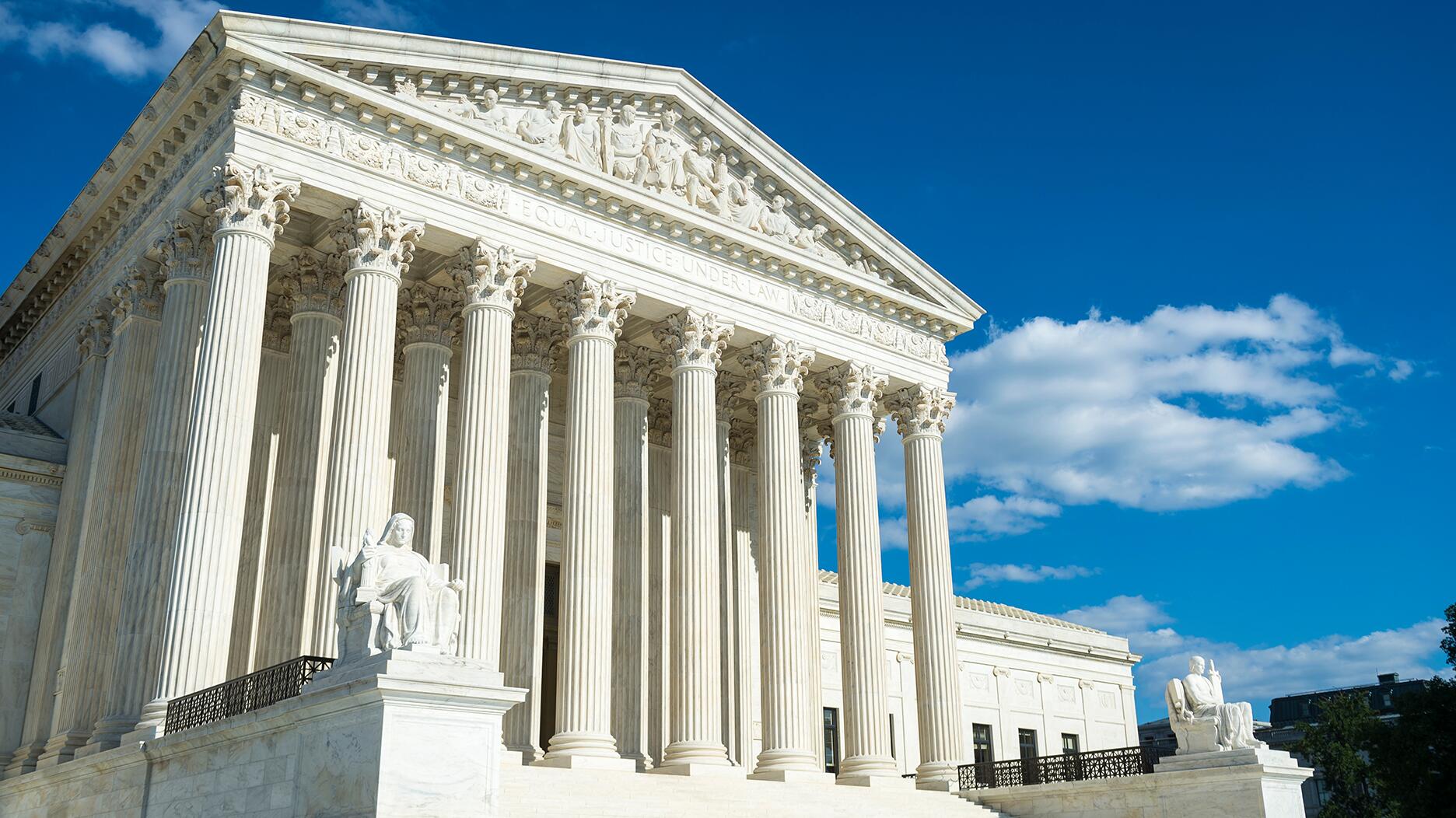
This analysis is based on a Reddit discussion [0] from November 6, 2025, exploring investment opportunities if the Supreme Court rules against Trump-era tariffs. The discussion coincides with significant Supreme Court hearings where justices appeared skeptical of presidential tariff authority, with potential refunds exceeding $90 billion [1]. The analysis examines six major companies (AMZN, WMT, AAPL, CAT, NKE, LULU) with varying degrees of tariff exposure and potential upside.
The six companies show divergent tariff impacts and recovery potential:
-
Nike (NKE): Highly vulnerable with significant China/Vietnam manufacturing exposure. Already implementing price hikes to offset tariff costs and reporting “new and meaningful cost headwinds” [3]. Stock performance has suffered significantly (-15.95% YTD, -51.96% over 5 years) [0], suggesting substantial recovery potential.
-
Lululemon (LULU): Severely impacted with stock down 56.07% year-to-date [0]. Experienced 10% after-hours drop following tariff announcements [4]. With 14.6% revenue from China [0], faces substantial direct exposure.
-
Caterpillar (CAT): Reported incremental tariff costs up to $1.5 billion [3]. Despite strong recent performance (+58.40% YTD) [0], acknowledges significant margin pressure.
-
Amazon (AMZN): Faces higher costs on imported goods through marketplace but benefits from diversified revenue including high-margin AWS [0].
-
Walmart (WMT): Q1 profit declined from $5.10B to $4.45B year-over-year due to rising import tariffs [3], with plans to raise prices to offset costs.
- Apple (AAPL): Despite China manufacturing, strong brand power provides insulation. Reported $800M quarterly losses from tariffs [3], representing small revenue fraction.
- Apple: $3.99T market cap, 26.92% net profit margin [0]
- Amazon: $2.60T market cap, diversified revenue streams [0]
- Walmart: $810.84B market cap, stable consumer defensive model [0]
- Nike: $84.50 analyst target (+36.5% upside) [0]
- Amazon: $300 target (+23.4% upside) [0]
- Apple: $300 target (+11.2% upside) [0]
The analysis reveals several critical unknowns that could significantly impact outcomes:
-
Refund Mechanism Complexity: Legal experts note the unprecedented nature of this case, with one expert stating, “There’s nothing usual about any of this, because the president of United States has never put on a tariff like this in the history of the country” [1].
-
Timeline Challenges: Historical precedent from the 1998 harbor maintenance tax decision suggests refund processes could take 1-2 years, with current volume potentially extending this further [1].
-
Scope Limitations: Unclear whether refunds would be available to all affected businesses or only to companies that actively sued over the tariffs [1].
-
Administrative Barriers: The refund process could be “mired in red tape, delayed, or limited to specific businesses” [1], potentially disadvantaging smaller companies.
- Consumer Impact: Refunds would go to businesses, not consumers [1], limiting direct consumer benefit
- Supply Chain Adjustments: Many companies have already begun diversifying away from China [3]
- Retaliatory Effects: China alone has lost $25.7 billion in U.S. agricultural exports due to retaliation [3]
-
Regulatory Uncertainty: The unprecedented nature of this case provides limited historical guidance for implementation [1]
-
Implementation Challenges: The refund process could be administratively burdensome, potentially disadvantaging companies with limited legal resources [1]
-
Market Expectation Pricing: Much of the potential tariff relief may already be priced into stocks, particularly those with high analyst upside targets
-
Political Resistance: The administration could potentially “make the process really ugly” to discourage refund claims [1]
-
High-Exposure Recovery: Nike and Lululemon offer the highest potential upside due to severe tariff impact and depressed valuations
-
Strong Balance Sheet Advantage: Companies with robust financial positions (Apple, Amazon) are better positioned to weather implementation delays
-
Supply Chain Benefits: Companies that have already diversified supply chains may benefit more quickly from any relief
The analysis suggests that if the Supreme Court rules against tariffs, Nike and Lululemon represent the highest potential beneficiaries due to their severe tariff exposure and depressed stock performance. However, significant implementation uncertainties surrounding refund mechanisms, timing, and scope create substantial risk. Companies with stronger balance sheets like Apple and Amazon offer more resilient exposure to potential tariff relief. The unprecedented nature of this case means historical precedents provide limited guidance, and the refund process could face significant administrative and political hurdles [1].
All six stocks maintain “BUY” consensus ratings [0], but investors should monitor Supreme Court decision timelines, corporate guidance on tariff impacts, and potential legislative responses to tariff authority questions.
数据基于历史,不代表未来趋势;仅供投资者参考,不构成投资建议
关于我们:Ginlix AI 是由真实数据驱动的 AI 投资助手,将先进的人工智能与专业金融数据库相结合,提供可验证的、基于事实的答案。请使用下方的聊天框提出任何金融问题。