Delaware Supreme Court Ruling Restoring Musk’s 2018 Tesla Pay Package: Governance and Investor Implications
解锁更多功能
登录后即可使用AI智能分析、深度投研报告等高级功能
关于我们:Ginlix AI 是由真实数据驱动的 AI 投资助手,将先进的人工智能与专业金融数据库相结合,提供可验证的、基于事实的答案。请使用下方的聊天框提出任何金融问题。
相关个股
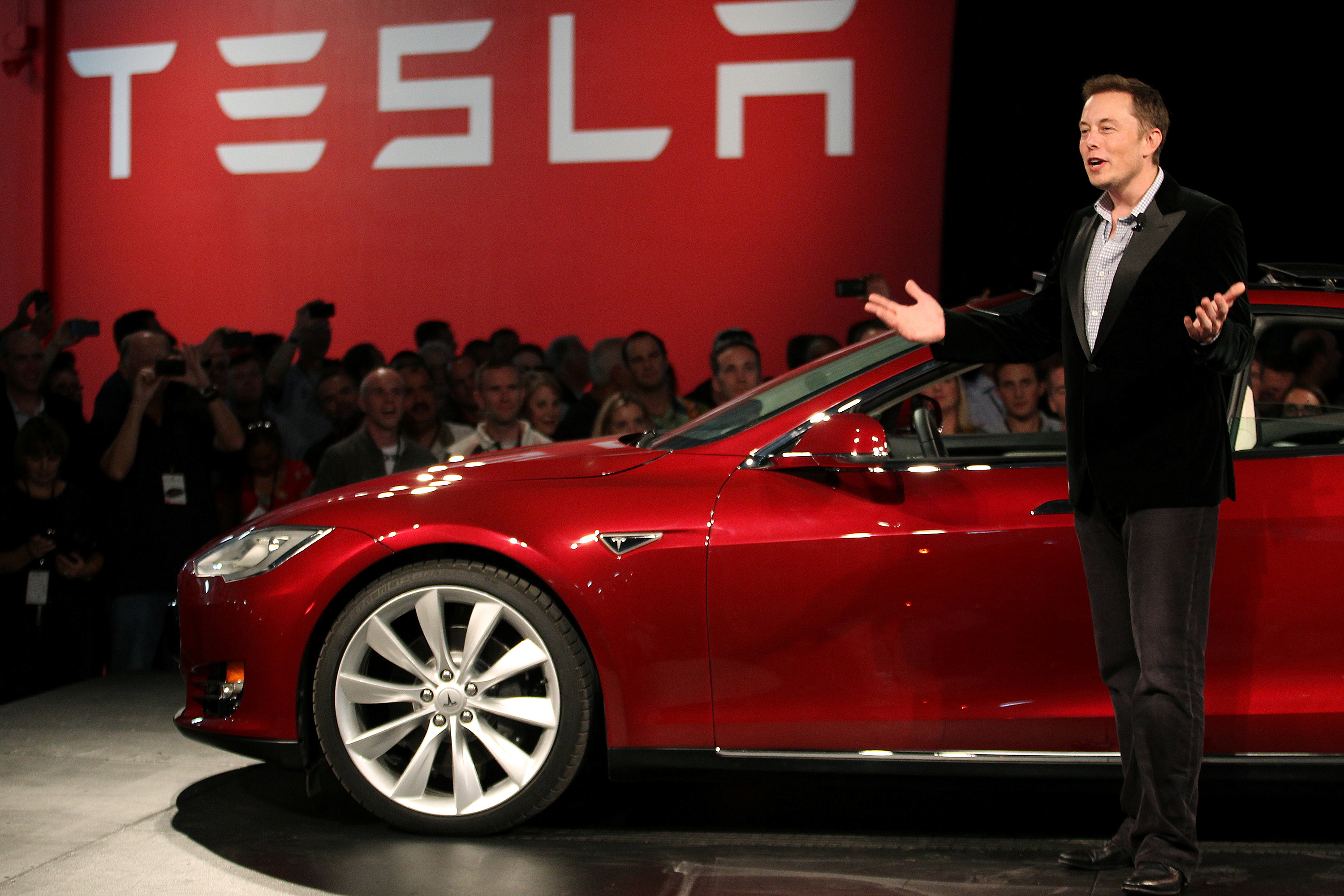
The Delaware Supreme Court’s December 19, 2025 ruling reversed a 2024 Chancery Court decision that rescinded Musk’s 2018 pay package, deeming rescission an “improper remedy” given Musk’s 6-year tenure as CEO and achievement of all performance milestones [5]. The restored package grants options for ~304 million split-adjusted Tesla shares (~9% of outstanding stock) with discounted exercise prices, valued at ~$139 billion as of the ruling date [9]. If exercised, these options would expand Musk’s direct stake from ~12.4% to ~18.1% of an enlarged share base, significantly enhancing his voting power [10]. Tesla, which reincorporated in Texas in 2023, may revoke a 2024 $29 billion pay package designed as a hedge against losing the appeal, while a November 2025 Texas-based $1 trillion pay package remains in effect [2]. Market data shows TSLA closed at $481.20 on December 19, down 1.42% with 18% above-average trading volume, though the decline was modest, potentially reflecting priced-in expectations or recognition of milestone achievement [0].
- Governance Jurisdiction Matters: Tesla’s Texas incorporation amplifies the impact of Musk’s expanded voting power, as Texas corporate law may provide fewer safeguards for board independence compared to Delaware. Notably, the Supreme Court did not resolve the Chancery Court’s original criticism that Tesla’s 2018 board lacked independence from Musk [1], leaving ongoing concerns about governance oversight.
- Compensation Precedent Shift: The ruling emphasizes that courts may prioritize tangible milestone achievement and shareholder approval over technical governance deficiencies when evaluating remedy appropriateness. This could embolden other companies to propose aggressive, milestone-based CEO pay packages but may also increase investor demand for stricter board independence and disclosure standards [4].
- Muted Market Reaction Context: The 1.42% TSLA stock decline suggests investors may have priced in the ruling’s likelihood or weighed the dilutive impact against the validation of Musk’s performance through milestone achievement [0].
- Share Dilution: Exercising 304 million options would expand Tesla’s share base by ~9%, potentially reducing earnings per share (EPS) [10].
- Diminished Board Independence: Musk’s enhanced voting power (~18.1% if exercised) could limit the board’s ability to challenge strategic decisions, increasing long-term operational and reputational risks [1].
- Legal Precedent Risks: The ruling’s narrow focus on remedy (rather than liability) may lead to more shareholder lawsuits over executive compensation, as investors seek alternative remedies for perceived governance failures [4].
- Milestone-Based Compensation Validation: The ruling reinforces that properly structured, milestone-driven pay packages can withstand legal scrutiny if approved by shareholders, potentially providing a framework for other companies designing performance-aligned compensation [4].
The Delaware Supreme Court’s ruling restores Musk’s 2018 Tesla pay package, a ~$139 billion milestone-based plan with 304 million split-adjusted shares. It increases Musk’s potential voting power to ~18.1% (if options are exercised), raising concerns about board independence under Texas corporate law. The ruling sets a precedent for executive compensation by prioritizing milestone achievement and shareholder approval. Market reaction on December 19 was modest (1.42% TSLA decline), with above-average volume. Tesla may revoke a 2024 hedge pay package, while a 2025 Texas-based $1 trillion package remains active. Investors should note potential share dilution and governance oversight risks, alongside the ruling’s implications for compensation practices.
数据基于历史,不代表未来趋势;仅供投资者参考,不构成投资建议
关于我们:Ginlix AI 是由真实数据驱动的 AI 投资助手,将先进的人工智能与专业金融数据库相结合,提供可验证的、基于事实的答案。请使用下方的聊天框提出任何金融问题。