Inflation’s Impact on US Political Stability, Investor Sentiment, and Michigan Swing State Electoral Risks
解锁更多功能
登录后即可使用AI智能分析、深度投研报告等高级功能
关于我们:Ginlix AI 是由真实数据驱动的 AI 投资助手,将先进的人工智能与专业金融数据库相结合,提供可验证的、基于事实的答案。请使用下方的聊天框提出任何金融问题。
This analysis synthesizes news and social media insights to evaluate inflation’s role in U.S. politics and markets [1][2][5][7][11-14].
- Political Stability Impact: Inflation has become a highly divisive political issue, with partisan gaps in economic perceptions [7]. Republicans won the 2024 election partly due to inflation concerns, while Democrats secured 2025 governor races by emphasizing affordability [1][2]. As a long-standing critical swing state, Michigan’s voter sentiment on inflation could significantly alter national political outcomes.
- Investor-Consumer Sentiment Divergence: Despite consumer pessimism (University of Michigan Consumer Sentiment Index: 52.9 in December 2025 [11][13]), investor sentiment remains optimistic. The S&P 500 approached 6800 in December 2025, supported by strong holiday spending and positive corporate profit outlooks [12][13][14].
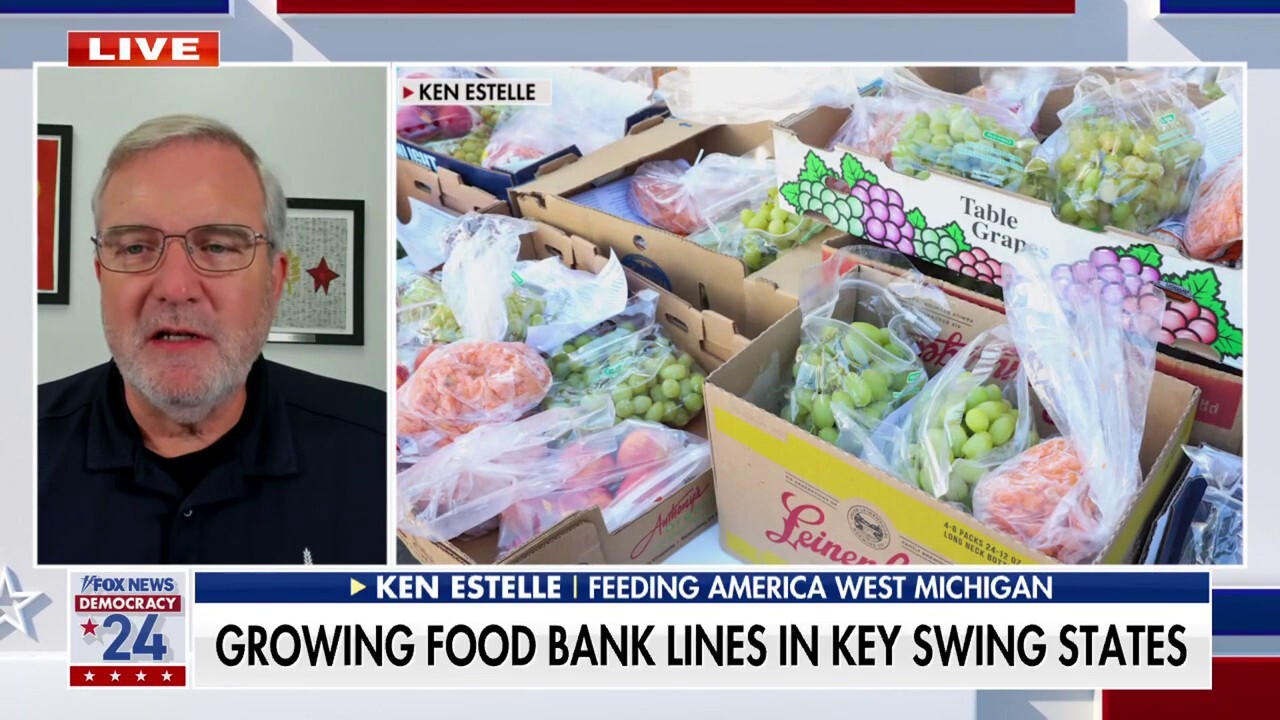
- Michigan Voter Dynamics: While specific 2025 December Michigan food bank line reports are unconfirmed, Feeding America’s national data shows 95% of food banks reported equal or higher demand in October 2025 due to high prices [5], indicating broader inflationary pressures that could sway Michigan voters.
- Sentiment Dissonance: A significant gap exists between consumer pessimism (driven by inflation) and investor optimism (focused on corporate performance), highlighting divergent market and public priorities.
- Swing State Electoral Sensitivity: Michigan’s status as a swing state makes its voter inflation perceptions a critical leading indicator for election results, which may trigger policy shifts impacting monetary and fiscal policy.
- Partisan Polarization: Inflation has deepened political divides in economic views, potentially exacerbating policy uncertainty and political instability.
- Risks:
- Policy Uncertainty: Michigan’s electoral outcome could lead to abrupt changes in economic policy (e.g., monetary tightening/loosening), creating market volatility.
- Consumer Spending Sustainability: Sustained inflation may erode purchasing power, weakening current consumer spending support for markets.
- Opportunities:
- Policy Stabilization: An administration focused on inflation mitigation could stabilize markets by addressing price pressures.
- Sector Gains: Affordable goods/services sectors may benefit from ongoing consumer cost concerns.
Inflation remains a central factor shaping U.S. political stability and electoral dynamics, especially in swing states like Michigan. The consumer-investor sentiment gap underscores market complexity amid economic pressures. Michigan’s voter sentiment on inflation could have far-reaching implications for election results and subsequent economic policies, which may impact market performance. Stakeholders should monitor electoral trends and policy proposals for potential market shifts.
数据基于历史,不代表未来趋势;仅供投资者参考,不构成投资建议
关于我们:Ginlix AI 是由真实数据驱动的 AI 投资助手,将先进的人工智能与专业金融数据库相结合,提供可验证的、基于事实的答案。请使用下方的聊天框提出任何金融问题。