Israel-US Iran Stance: Energy & Defense Investment Impact
解锁更多功能
登录后即可使用AI智能分析、深度投研报告等高级功能
关于我们:Ginlix AI 是由真实数据驱动的 AI 投资助手,将先进的人工智能与专业金融数据库相结合,提供可验证的、基于事实的答案。请使用下方的聊天框提出任何金融问题。
相关个股
Now let me compile a comprehensive analysis with the data I’ve gathered.
The current Israel-US approach to Iran nuclear negotiations has evolved into a significant geopolitical crisis, with direct military escalation now underway. This analysis examines how this situation is impacting energy sector investments and defense stock valuations based on the latest market data and news developments.
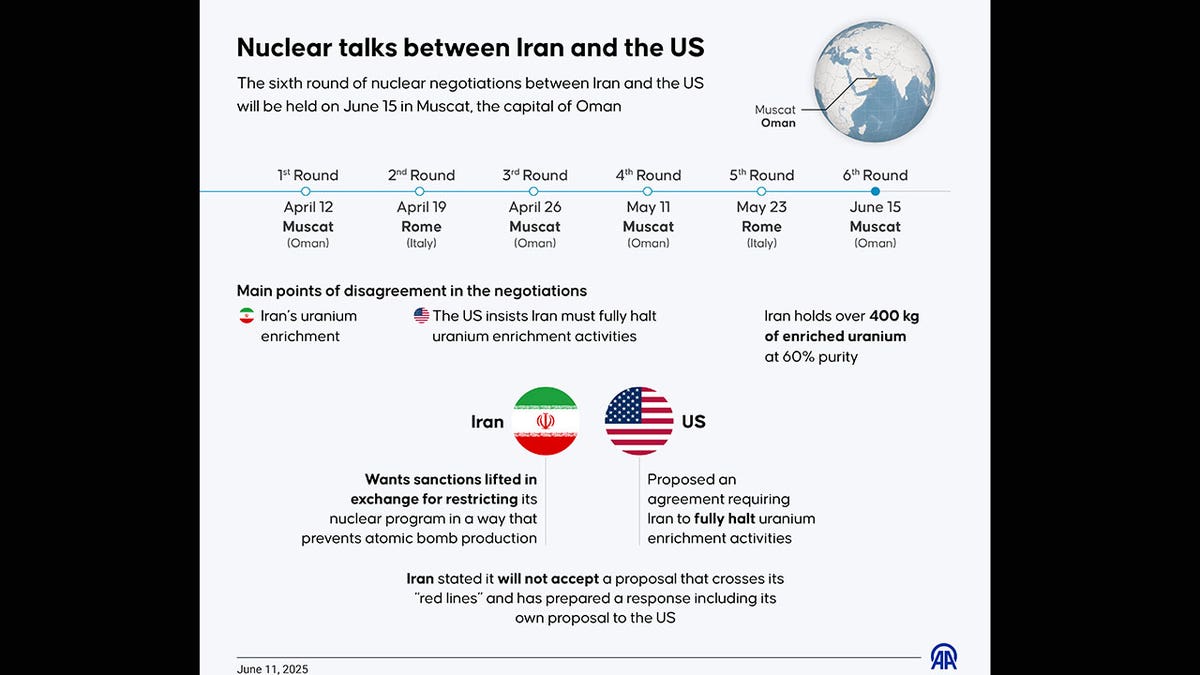
The third round of US-Iran nuclear negotiations in Geneva has coincided with an active military conflict rather than diplomatic resolution. Key developments include:
- Netanyahu’s Position: Israeli Prime Minister has emphasized that any US deal with Iran must include complete dismantling of nuclear infrastructure [1]
- Military Escalation: US-Israeli strikes against Iran have effectively closed the Strait of Hormuz, a critical chokepoint for global oil shipments [2][3]
- Economic Impact: Oil prices surged the most in four years, with the Strait of Hormuz seeing traffic drop approximately 80% [2][3]
- US Involvement: US senators have been briefed on the conflict, with concerns about potential “boots on the ground” scenarios [1]
The energy sector has experienced significant turbulence as a direct result of the conflict:
| Metric | Energy Select Sector (XLE) |
|---|---|
Period Return (Feb 5 - Mar 5) |
+8.39% |
Period High |
$57.88 |
Period Low |
$51.44 |
Volatility (Daily Std Dev) |
1.17% |
Average Daily Volume |
59.26M |
The XLE ETF has demonstrated strong positive performance during the escalation period, with the effective closure of the Strait of Hormuz representing a fundamental supply shock to global energy markets. Approximately 20% of global oil shipments transit this narrow passage [3].
- Short-term Supply Risk Premium: Oil prices have spiked significantly due to the effective closure of Hormuz, creating a supply-side price premium
- Geographic Risk Concentration: Companies with Middle East exposure face elevated operational risks
- Strategic Reserves: Potential SPR releases could moderate prices but would be不足以长期解决供应中断
- Alternative Supply Routes: Increased focus on pipelines and alternative shipping routes (CPC Blend, Trans-Adriatic)
Defense contractors have emerged as clear beneficiaries of the escalating tensions:
| Metric | Lockheed Martin (LMT) |
|---|---|
Period Return (Feb 5 - Mar 5) |
+8.50% |
Period High |
$692.00 |
Period Low |
$595.00 |
Volatility (Daily Std Dev) |
1.67% |
Average Daily Volume |
1.53M |
Additional defense stocks showing significant gains include:
- RTX (Raytheon): +4.7% [4]
- Palantir: Rising on conflict news [5]
- Northrop Grumman: Benefiting from defense spending momentum [4]
| Sector/Index | Period Performance | Volatility | Key Drivers |
|---|---|---|---|
Defense (LMT) |
+8.50% | 1.67% | War escalation, defense budget surge |
Energy (XLE) |
+8.39% | 1.17% | Hormuz closure, supply disruption |
S&P 500 |
Mixed | Moderate | Offsetting pressures |
Russell 2000 |
+1.80% (Mar 2) | Elevated | Small cap volatility |
The defense and energy sectors have performed nearly identically during the conflict escalation period, outperforming broader market indices.
- Defense budgets likely to increase significantly in FY2026-2027
- Bipartisan Congressional support for Israel/US operations
- Long-term procurement contracts anticipated
- Missile defense and air superiority systems in high demand
- Diplomatic resolution could reverse gains
- Extended conflict may strain defense production capacity
- Political fatigue if conflict becomes protracted
- Structural supply disruption from Hormuz closure
- Potential for further price escalation if conflict widens
- Energy security concerns driving investment in domestic production
- Diplomatic breakthrough could reverse supply concerns
- Strategic petroleum reserve releases
- Demand destruction from global economic slowdown
- Potential for IEA coordinated release
The Israel-US stance on Iran has evolved from negotiation posturing to active military conflict, creating distinct investment opportunities in both defense and energy sectors. Both LMT (+8.50%) and XLE (+8.39%) have significantly outperformed broader market indices during the February-March 2026 escalation period.
For investors considering positioning in these sectors:
- Defense: Current momentum appears sustainable given the “more urgent and less controversial” nature of wartime spending [5]
- Energy: Supply-side dynamics from Hormuz closure provide near-term support, though diplomatic variables create uncertainty
- Diversification: Both sectors offer geopolitical risk exposure, suggesting portfolio diversification between defense and energy may be appropriate
The critical variable remains the duration and scope of the conflict—a diplomatic resolution would likely reverse recent gains, while expanded hostilities could drive further sector outperformance.
[1] Al Jazeera - “Rubio says Iran was ‘playing’ US in negotiations” (https://www.aljazeera.com/video/newsfeed/2026/3/3/rubio-says-iran-was-playing-us-in-negotiations)
[2] Bloomberg - “Watch Iran Strikes: What This Means for Oil and Global Markets” (https://www.bloomberg.com/news/videos/2026-03-02/iran-strikes-what-this-means-for-oil-and-global-markets-video)
[3] The Guardian - “Could war in the Middle East trigger a global economic crisis?” (https://www.theguardian.com/world/video/2026/mar/04/will-war-in-the-middle-east-trigger-a-global-economic-crisis-the-latest)
[4] New York Post - “Defense giants cash in as Iran conflict escalates” (https://nypost.com/2026/03/02/us-news/defense-contractors-stock-price-surges-on-wall-street/)
[5] MarketWatch - “Palantir, Lockheed and these other defense stocks rise on heels of Iran conflict” (https://www.marketwatch.com/story/palantir-lockheed-and-these-other-defense-stocks-are-rising-on-heels-of-iran-conflict-3832f763)
[0] Market indices and stock price data from financial data providers
数据基于历史,不代表未来趋势;仅供投资者参考,不构成投资建议
关于我们:Ginlix AI 是由真实数据驱动的 AI 投资助手,将先进的人工智能与专业金融数据库相结合,提供可验证的、基于事实的答案。请使用下方的聊天框提出任何金融问题。