Meta's Long-Term Competitiveness in Smart Glasses Market Analysis
解锁更多功能
登录后即可使用AI智能分析、深度投研报告等高级功能
关于我们:Ginlix AI 是由真实数据驱动的 AI 投资助手,将先进的人工智能与专业金融数据库相结合,提供可验证的、基于事实的答案。请使用下方的聊天框提出任何金融问题。
相关个股
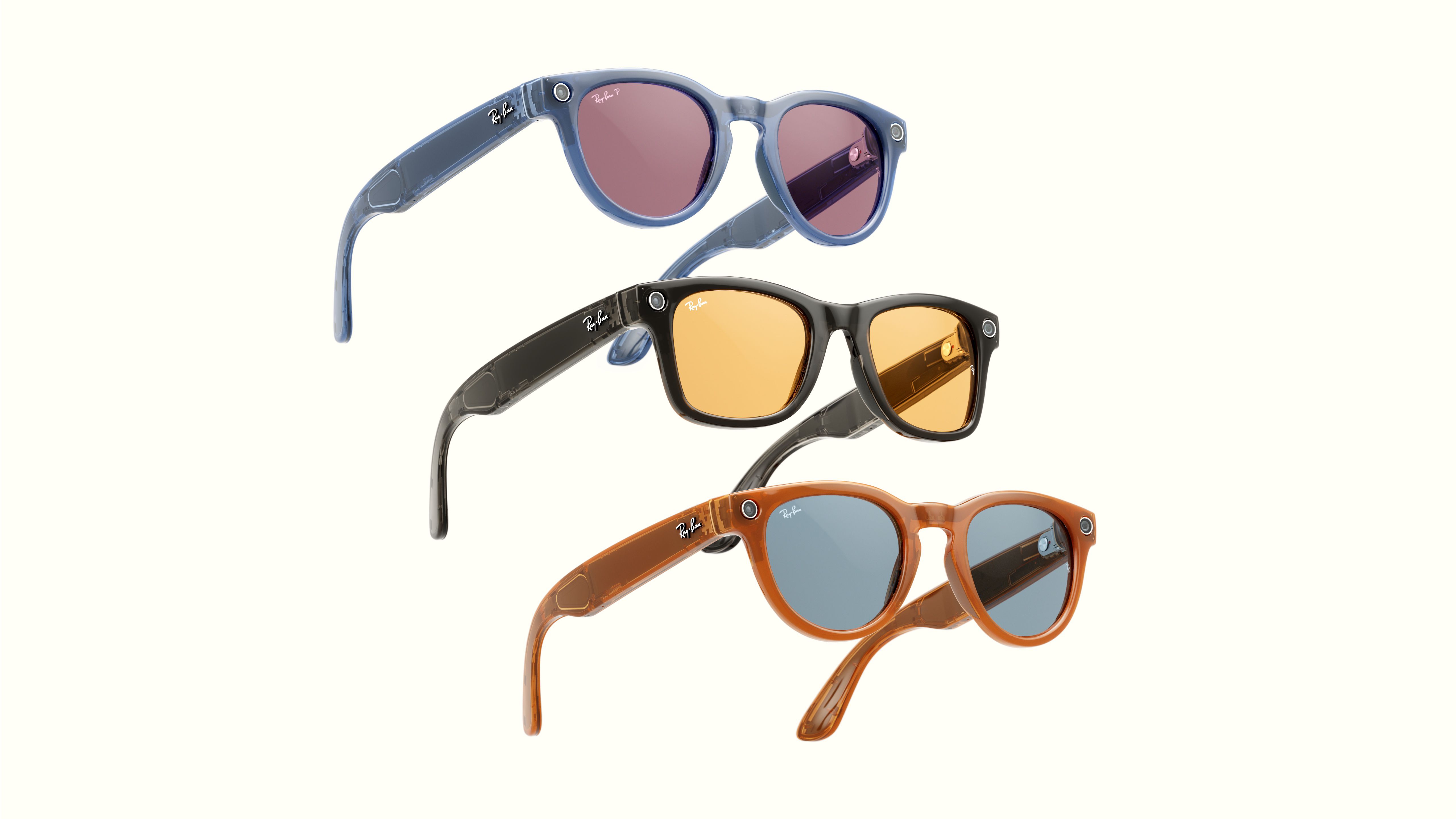
This analysis is based on a Reddit discussion [1] where a Meta shareholder questioned the company’s long-term viability in smart glasses against Apple’s ecosystem dominance. Current market data reveals Meta’s exceptionally strong position with 73% global market share in H1 2025 [0], though competitive pressure will intensify significantly in 2026-2027 as Apple and Samsung-Google enter the market. Meta’s strategic advantages include substantial timeline advantage, accessible pricing strategy, and proven partnership model with EssilorLuxottica.
Meta’s market leadership in smart glasses is unequivocal. The company controls approximately 73% of the global smart glasses market as of H1 2025 [0], with Ray-Ban Meta smart glasses having sold over 2 million units since their October 2023 launch. The growth trajectory is particularly impressive, with sales tripling year-over-year in Q2 2025 alone [0]. This performance occurs within a rapidly expanding market, as global smart glasses shipments grew 110% year-over-year in H1 2025 [0].
The strategic partnership with EssilorLuxottica has proven transformative, leveraging Ray-Ban’s brand equity and distribution network to create significant barriers to entry. Meta has invested $3.5 billion in this partnership with plans for additional investment [0], demonstrating confidence in the long-term potential.
The competitive environment is set to transform dramatically over the next 2-3 years:
Meta’s commitment to smart glasses extends beyond current success to substantial long-term investment:
- Reality Labs generated $370 million in Q2 2025 revenue, representing 5% year-over-year growth [0]
- The company maintains a $66 billion 2025 capital expenditure plan prioritizing AI and hardware R&D [0]
- Despite Q2 2025 operating losses of $4.53 billion for Reality Labs, the smart glasses success story is changing the investment narrative [0]
The financial sustainability question centers on when smart glasses revenue might offset Reality Labs’ cumulative losses approaching $70 billion since late 2020 [0]. However, Meta’s overall financial health remains robust with $1.56 trillion market cap and 30.93% ROE [0], providing capacity for sustained investment.
The smart glasses market is undergoing a fundamental shift from basic functionality to AI integration. AI-powered smart glasses now represent 78% of total shipments, up from 46% in H1 2024 [0]. Meta’s focus on AI-powered features aligns perfectly with this trend, suggesting the company has correctly identified the market’s evolution trajectory.
Meta’s competitive advantages extend beyond current market share:
The critical long-term question involves Meta’s transition from current AI glasses to full AR glasses with displays. Meta reportedly aims to ship true AR glasses by 2027 [3], potentially coinciding with Apple’s market entry. This technological transition represents both opportunity and risk, as it requires significant R&D investment while maintaining current growth momentum.
Meta appears well-positioned for long-term competition in smart glasses, leveraging current market dominance, strategic partnerships, and substantial R&D investment. The company’s 73% market share [0] and accelerating growth provide a strong foundation, while the $3.5 billion EssilorLuxottica investment [0] demonstrates strategic commitment.
The 2026-2027 timeframe will prove critical as Apple and Samsung-Google enter the market. Meta’s timeline advantage, pricing strategy, and proven market approach provide multiple paths to sustained competitiveness. Success will depend on successfully navigating the technological transition to full AR glasses while maintaining current growth momentum and expanding into enterprise and international markets.
The smart glasses market’s rapid 110% year-over-year growth [0] suggests substantial opportunity for multiple successful competitors, though Meta’s current position and strategic advantages provide a strong foundation for continued market leadership.
数据基于历史,不代表未来趋势;仅供投资者参考,不构成投资建议
关于我们:Ginlix AI 是由真实数据驱动的 AI 投资助手,将先进的人工智能与专业金融数据库相结合,提供可验证的、基于事实的答案。请使用下方的聊天框提出任何金融问题。