Meta's Smart Glasses Market Position: Competitive Analysis and Strategic Outlook
解锁更多功能
登录后即可使用AI智能分析、深度投研报告等高级功能
关于我们:Ginlix AI 是由真实数据驱动的 AI 投资助手,将先进的人工智能与专业金融数据库相结合,提供可验证的、基于事实的答案。请使用下方的聊天框提出任何金融问题。
相关个股
This analysis is based on a Reddit discussion [1] published on November 6, 2025, examining Meta Platforms’ (META) long-term competitiveness in the smart glasses market against emerging competition from Apple, Google, and Samsung.
Meta currently commands an impressive
Meta’s stock is currently trading at
The Reddit discussion correctly identifies the core competitive dynamic between Apple’s ecosystem strength and Meta’s pricing/data monetization advantages. However, the timeline significantly favors Meta - Apple’s first smart glasses aren’t expected until 2026-2027, providing Meta with additional years to cement market leadership, refine technology, and build consumer adoption habits [5].
- First-mover advantagewith established market dominance and brand recognition
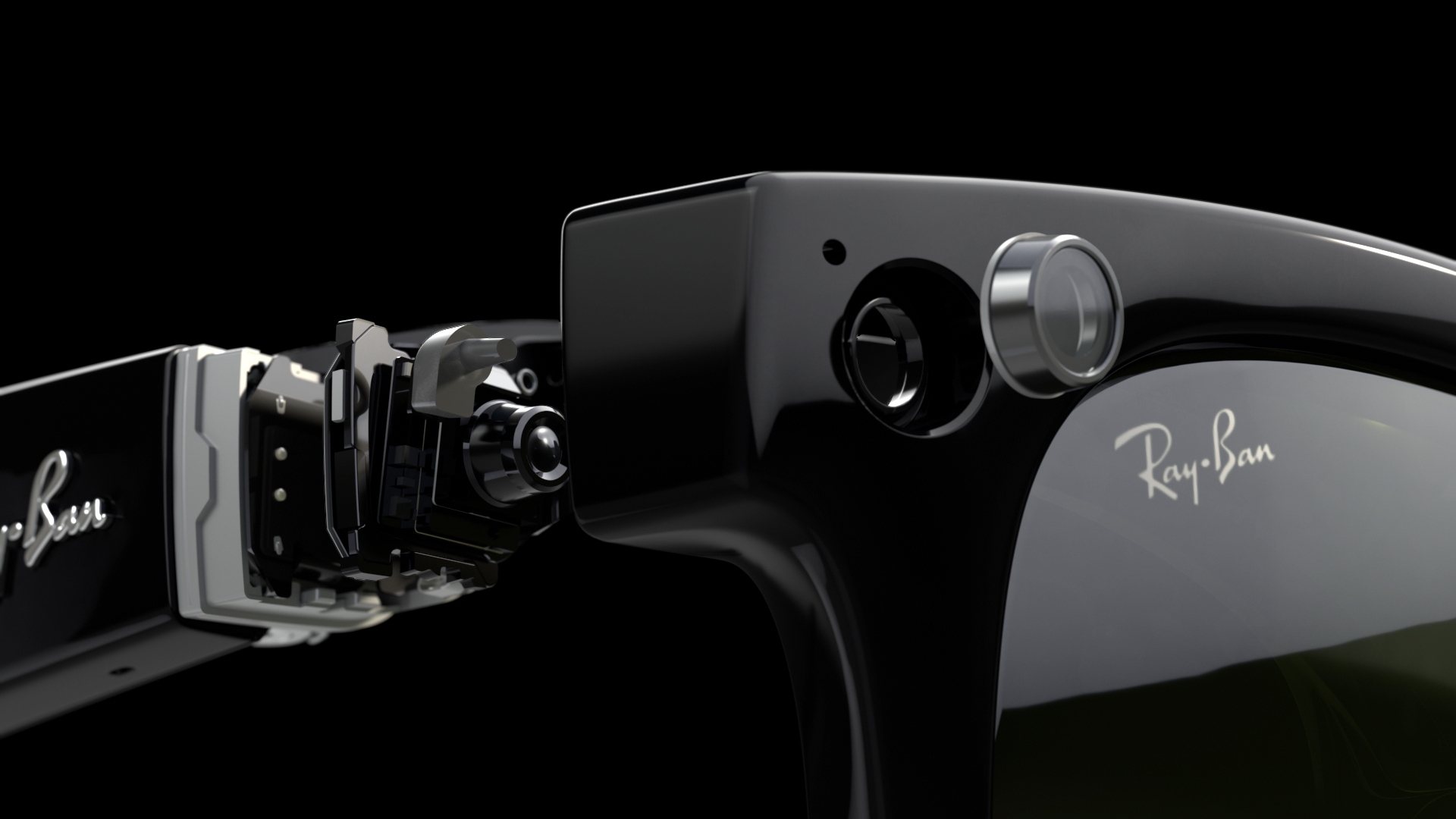
- Fashion partnershipswith Ray-Ban and Oakley providing mainstream aesthetic appeal
- Pricing leadershipat $800 versus premium competitors
- AI integration capabilitiesleveraging existing social media data and infrastructure
- Manufacturing scalethrough partnership with EssilorLuxottica
- Ecosystem integrationwith iPhone, iPad, and Mac product lines
- Brand premiumand established consumer trust
- Software development expertiseand mature App Store ecosystem
- Voice interaction and AI focustailored for glasses form factor [5]
The smart glasses market faces significant adoption hurdles including consumer acceptance, social norms around camera-equipped wearables, and practical utility concerns. Technical limitations around battery life, display quality, and processing power for all-day wear remain unresolved challenges that could impact mainstream adoption.
As Apple, Samsung-Google, and other players enter the market, hardware margins will likely compress, forcing greater reliance on software and services revenue. Apple’s ecosystem integration could create significant switching costs for existing iPhone users, while Samsung-Google’s Android XR platform could appeal to the broader Android user base.
Meta’s existing regulatory challenges could extend to smart glasses, particularly regarding camera use and data collection in public spaces. Privacy concerns around wearable cameras and continuous data collection may drive regulatory scrutiny and impact product features and monetization strategies.
With Reality Labs representing only 1.3% of total revenue [0], questions arise about the long-term sustainability of significant investment in smart glasses versus core social media business. Maintaining technological leadership requires continuous innovation in miniaturization, battery efficiency, and display technology.
Meta currently holds dominant market position in smart glasses with 73% share, but faces intensifying competition from Apple’s planned 2026-2027 entry and Samsung-Google’s 2026 Android XR launch. The company benefits from first-mover advantage, pricing leadership, and fashion partnerships, while Apple brings ecosystem integration and brand premium. The market is growing rapidly at 110% YoY, but technical limitations, adoption challenges, and regulatory concerns present significant hurdles. Meta’s smart glasses business remains small relative to core operations at 1.3% of total revenue, raising questions about long-term investment priorities and resource allocation strategies.
- Apple’s 2026 smart glasses launchspecifications and market reception
- Samsung-Google Android XR glassesdevelopment timeline and feature set
- Meta’s next-generation Ray-Ban productsand technological evolution
- Consumer adoption ratesbeyond early adopter segment
- Regulatory developmentsregarding wearable cameras and data privacy frameworks
- Hardware margin trendsas competition intensifies in 2026-2027 timeframe
数据基于历史,不代表未来趋势;仅供投资者参考,不构成投资建议
关于我们:Ginlix AI 是由真实数据驱动的 AI 投资助手,将先进的人工智能与专业金融数据库相结合,提供可验证的、基于事实的答案。请使用下方的聊天框提出任何金融问题。